The Tortoise and the Hare describes the dangers of pride, the folly of sloth, the benefits of endurance, and the reality of conservation of energy. It also shows you the difference between a patient, balanced pace and unstable haste. When performing resistance exercises, it’s important to attend to three factors: form, load, and pace. In this first of three posts, let’s use the biceps complex to analyze form.
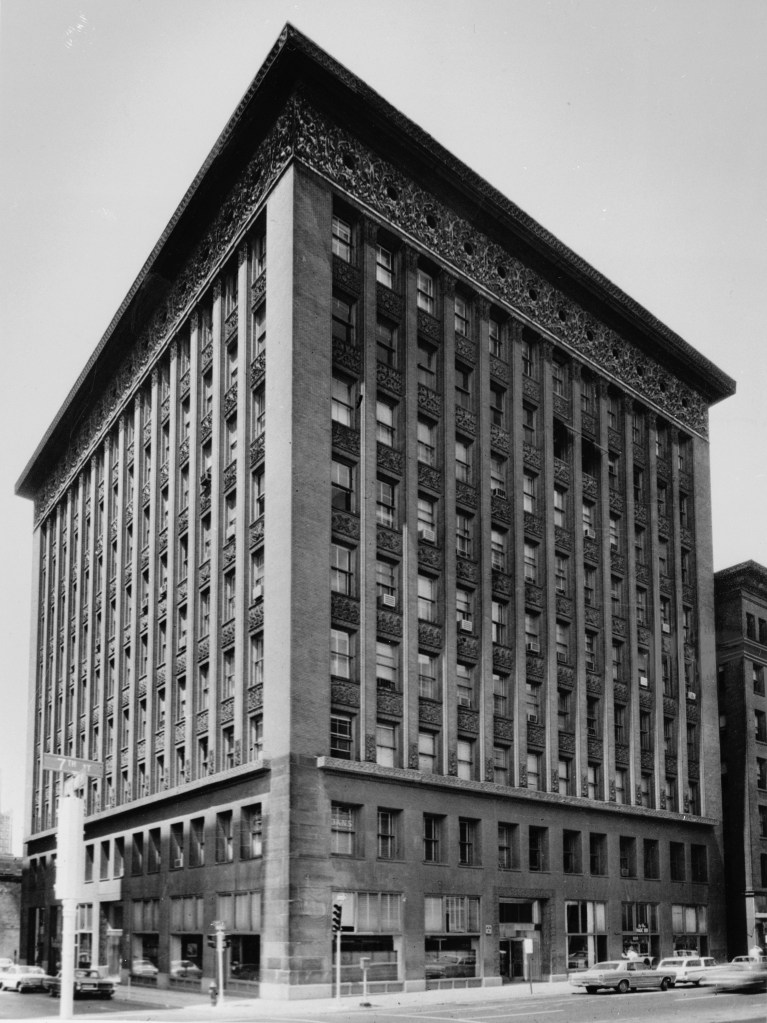
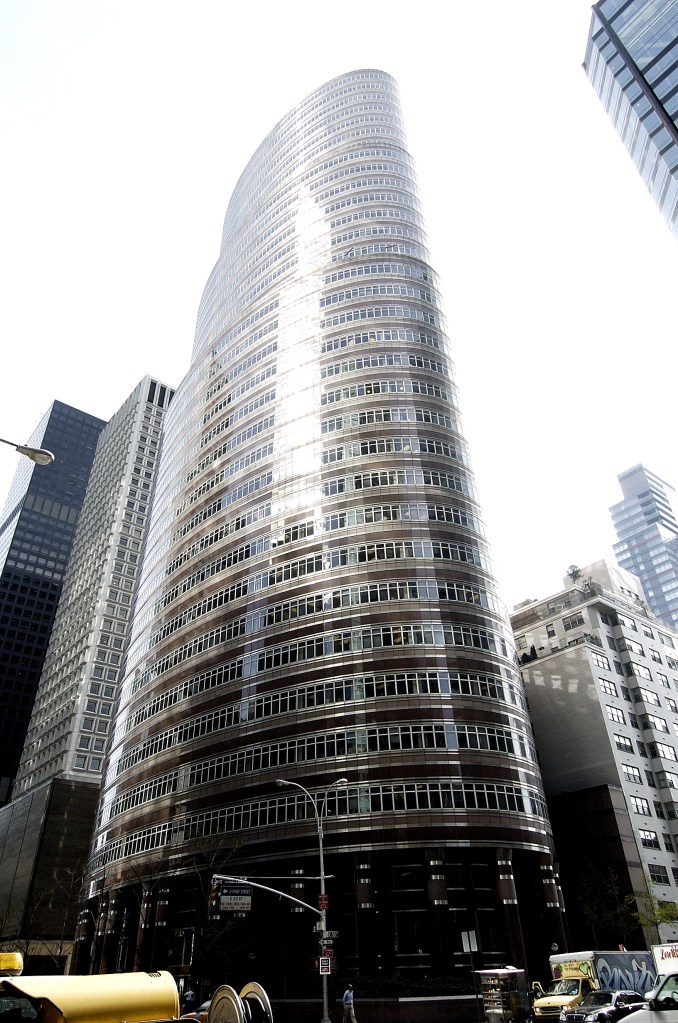
Acclaimed architect Louis Sullivan is quoted saying “form follows function”. Le Corbusier added to this Sullivan’s sentiment, labeling buildings as “machines for living” (Wagner, 2025). But some post-modernist architects like Philip Johnson held the opposite view, “function follows form” (Smashing Magazine, 2010). So, does form follow function or does function follow form?
As the structural integrity of a building relies on its architectural design, the ‘architecture’ of the human body dictates how we must move to remain functional. Understanding the body’s design is one key to healthy resistance training and maintenance of skeletal alignment under load.
Form:
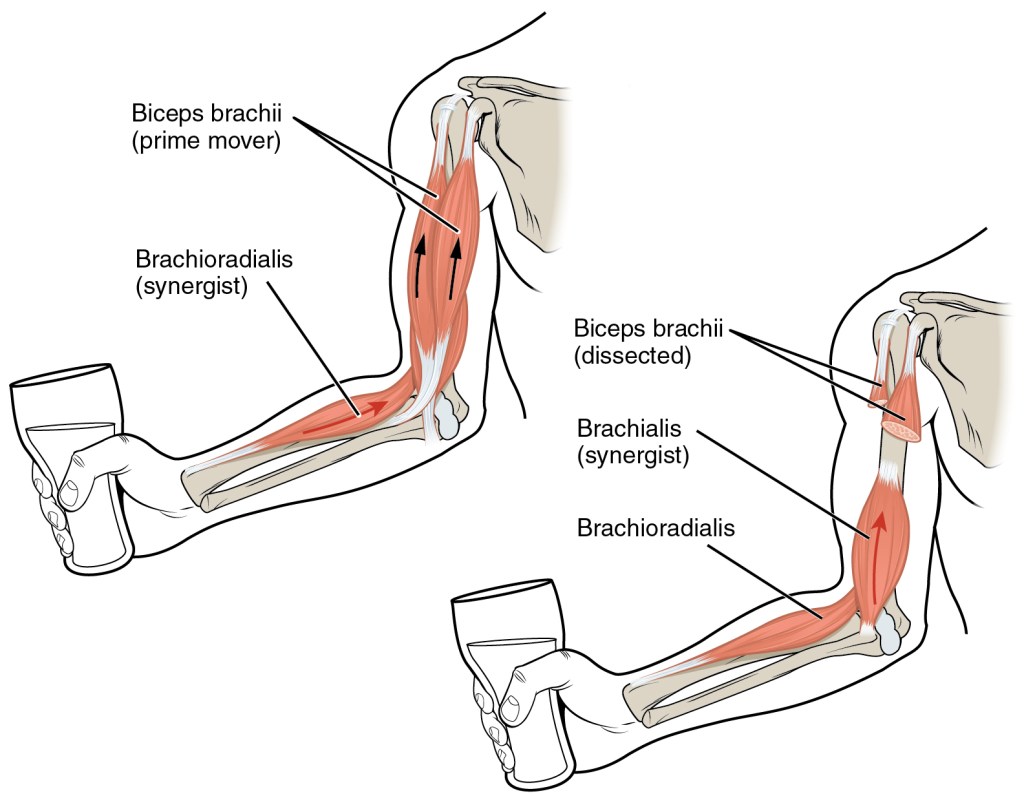
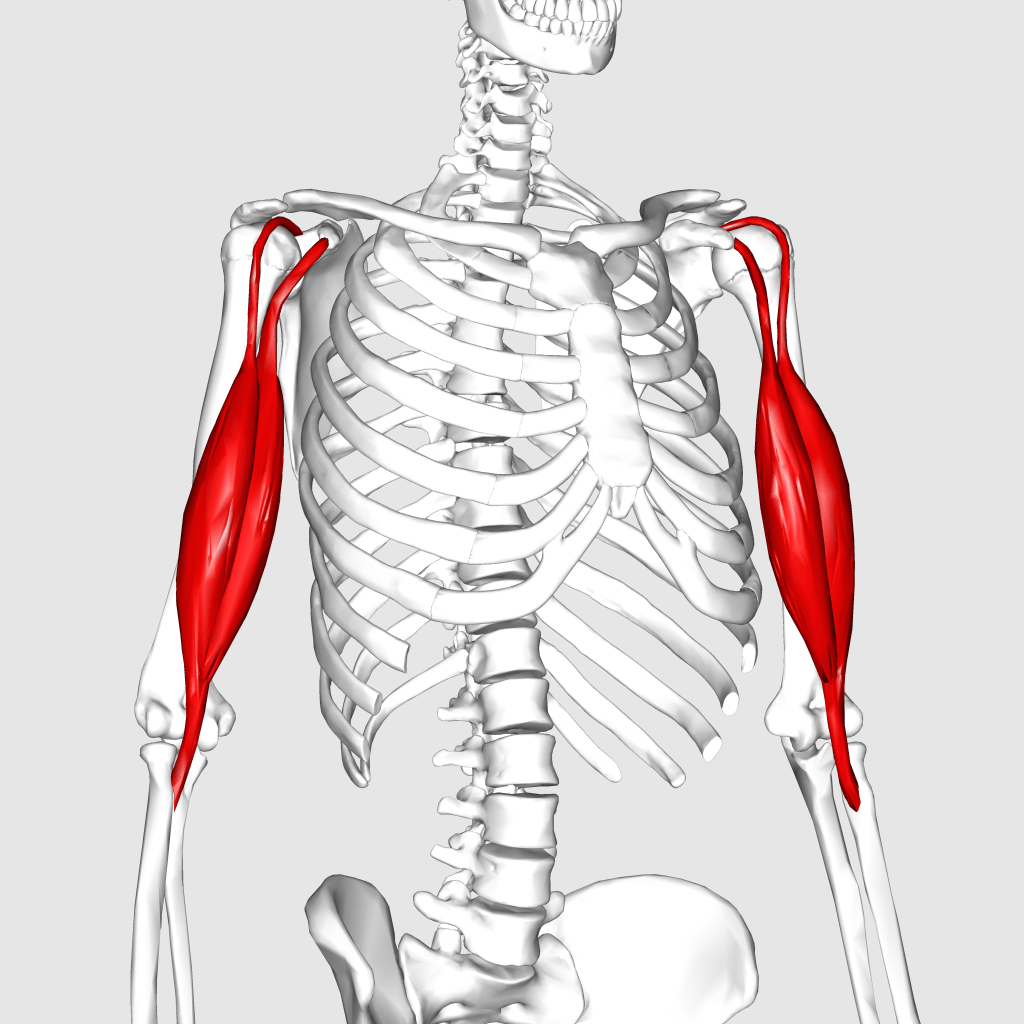
Form, as in the biomechanical movement, is the way you perform or move during an exercise. Since muscles shorten (e.g. concentric contraction) to pull levers (e.g. bones) around a fulcrum (e.g. joint), exercises often follow the shape of the muscles-tendons-bones that power movement around the joint complex. Let’s examine the three main muscles that bend the elbow: (1) brachialis, (2) biceps brachii, and (3) brachioradialis.
(1) Brachialis
- The brachialis originates on the front (i.e. anterior) surface of the distal humerus bone, is retained by the joint complex and other structures, and inserts at the coronoid process and ulnar tuberosity of the ulna bone.
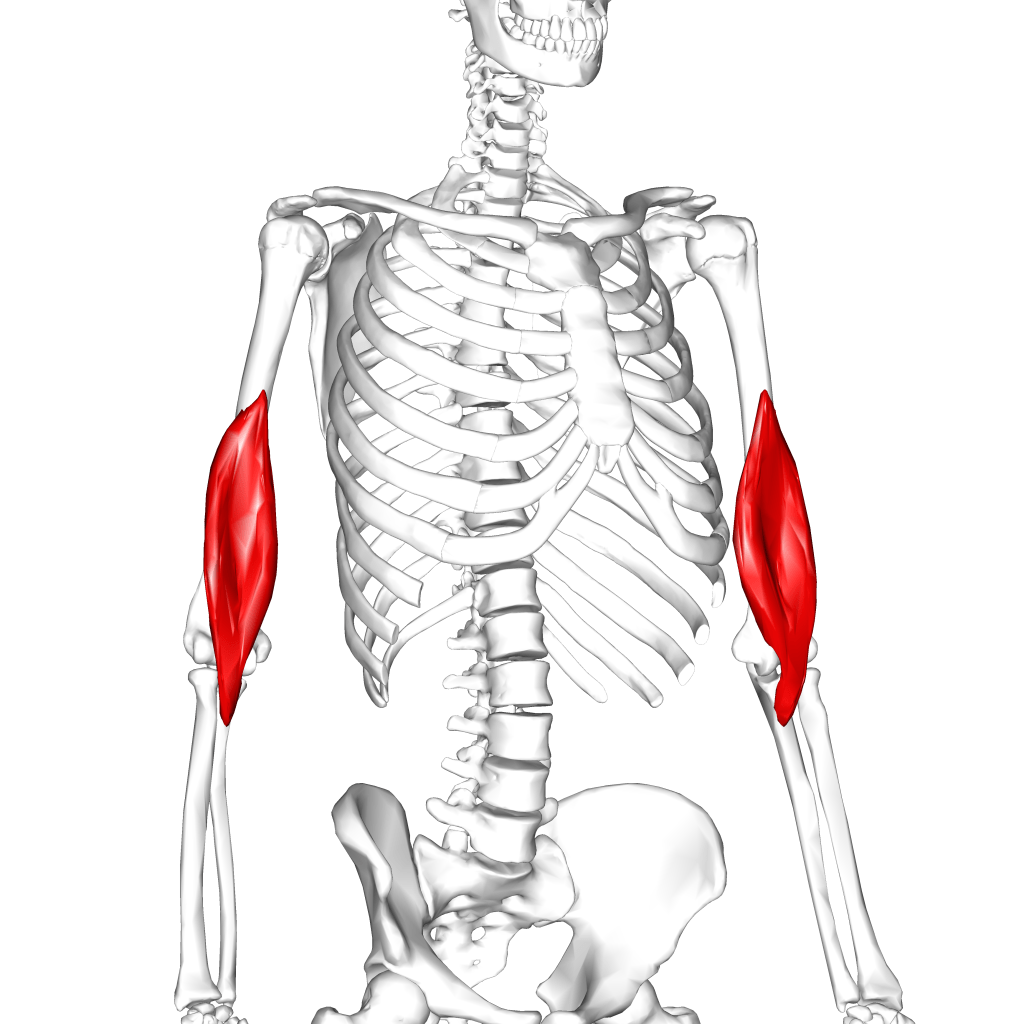
(2) Biceps brachii
- Originates on the scapula bone (shoulder blade) at the coracoid process (short head) as well as the supraglenoid tubercle and superior glenoid labrum (long head), is retained by the transverse humeral ligament, bicipitoradial bursa, and deep antebrachial fascia, and inserts at the radial tuberosity and biceps aponeurosis of the radius bone.
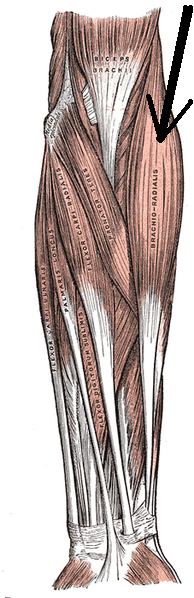
(3) Brachioradialis
- Originates on the lateral supracondylar ridge and lateral intermuscular septum of the humerus, is retained by the lateral intermuscular septum, antebrachial fascia, and other structures, and inserts at the styloid process of the radius bone.
form:
- “the manner or style of arranging and coordinating parts for a pleasing or effective result, as in literary or musical composition” (Definition of form, n.d.).
- (biomechanics) “…the most efficient and effective ways to perform a specific exercise or movement in terms of reducing the risk of injury and illness, as well as improving exercise efficiency, thus leading to better health outcomes”(Forte & Teixeira, 2023; Wallace & Kernozek, 2017).
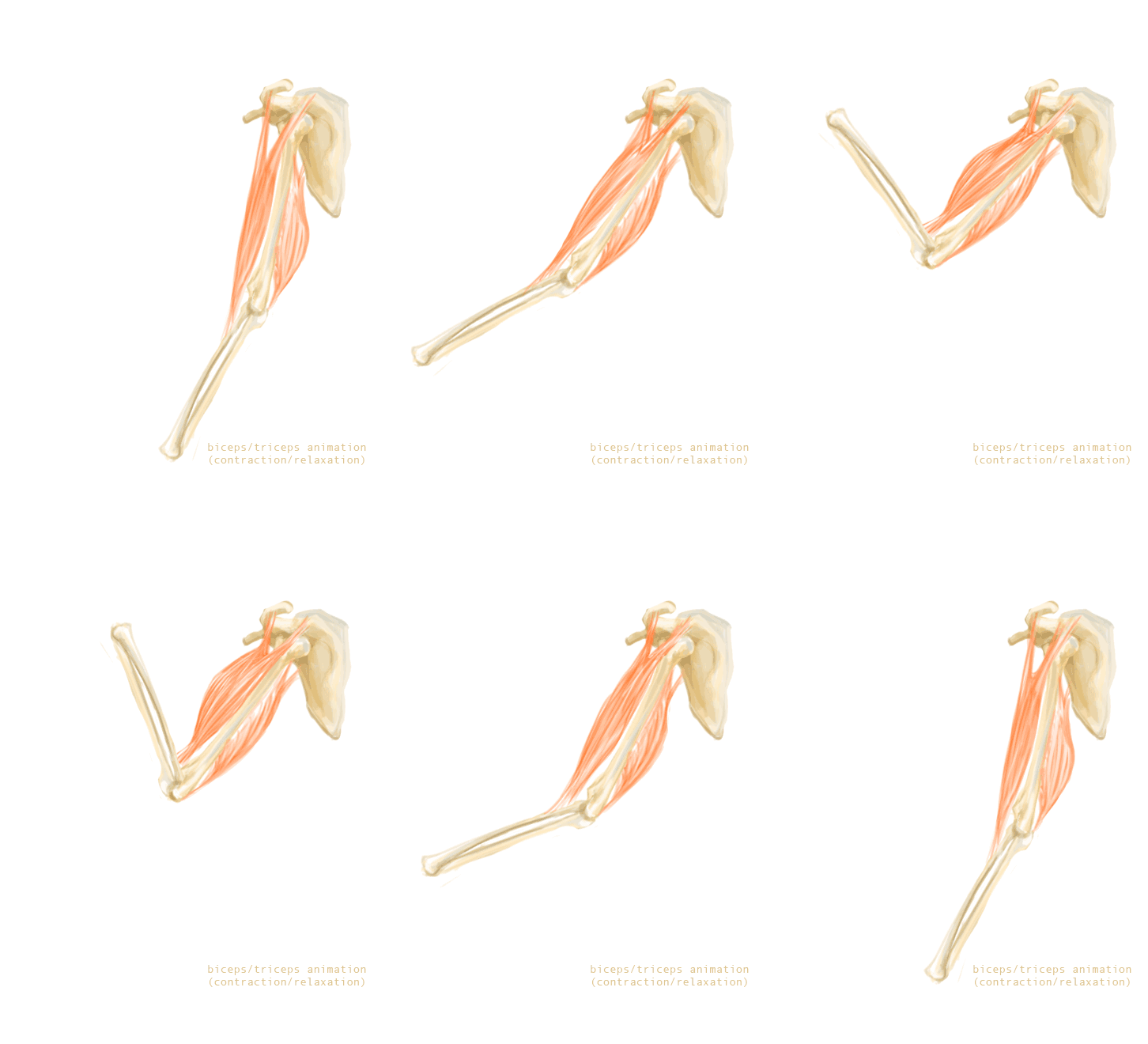
So, if you want to work the bicep complex, the main movement would be elbow flexion and forearm supination (rotating the palms of the hands forward/upward). But the biceps brachii’s origins on the scapula bone (i.e. shoulder blade) also allow them to assist with shoulder flexion. That’s a traditional bicep curl (see below).
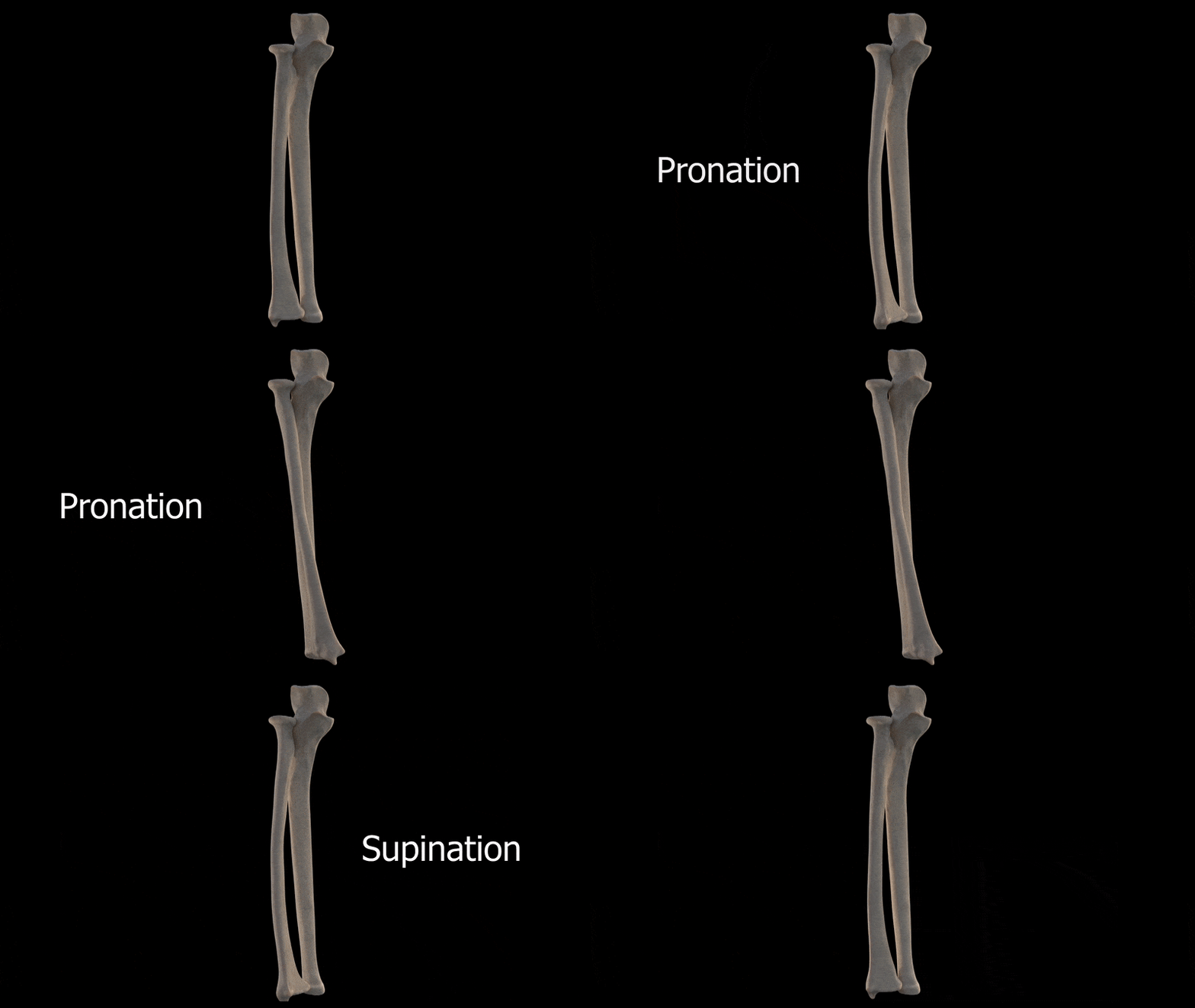
The biceps brachii and brachioradialis muscles insert on the radius bone which crosses over the ulna bone during as you rotate your palm inward (pronation) and uncrosses as you roll your palm outward (supination). So, both of these muscles assist with supination. But since the prime mover of elbow flexion (brachialis) only inserts at the ulna, it does not rotate the forearm.
Form means knowing the function of the muscle and how to work each in its plane of motion. For the biceps complex and elbow flexion, the brachialis is the prime mover (i.e. agonist) the biceps brachii is the secondary mover (i.e. agonist-synergist), and the brachioradialis is the assister (i.e. synergist). If you want beautifully composed biceps, think about the muscle that is doing most of the work for that movement.
The brachialis is a pure elbow flexor and does not rotate the forearm. As the prime mover for elbow flexion, it does most of the work for elbow flexion – especially when your palm and forearm are in a neutral position (e.g. hammer curls).
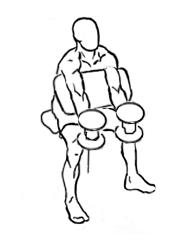
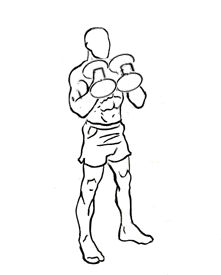
The biceps brachii are elbow flexors, forearm supinators, and shoulder flexion synergists. They rotate the forearm and palm forward/upward. So, they are doing more work when your palm is up (i.e. supinated) during elbow flexion.
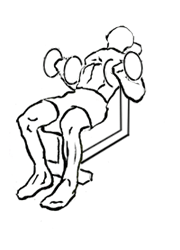
Incline and overhead curls demand more work from the biceps brachii’s long head.
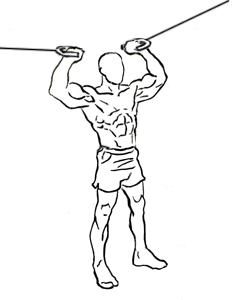
Preacher, lying-incline (i.e. spider), and concentration curls demand more work from the short head of the biceps brachii.
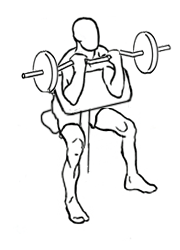
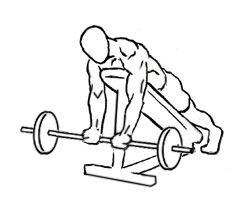
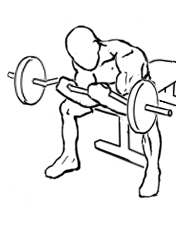
The brachioradialis is an elbow flexor that returns your forearm/palm to a neutral position. It works to either rotate up (i.e. supinate) or rotate down (i.e. pronate) the arm into a neutral position. But since the radius crosses over the ulna in full pronation, the brachioradialis is doing more work when your palm is facing down (i.e. pronated) during elbow flexion. This pronated position decreases the biceps brachii’s ability to assist elbow flexion.
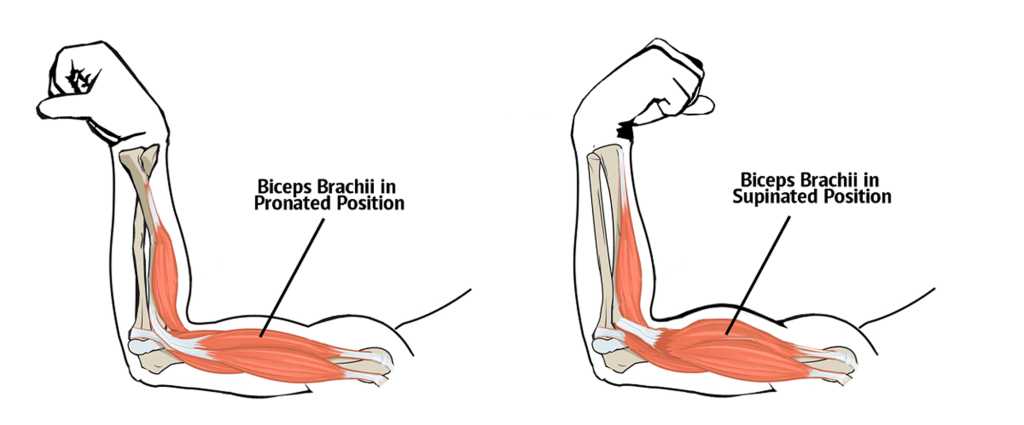
Hammer, and especially reverse curls (see below) demand more work from the brachioradialis.
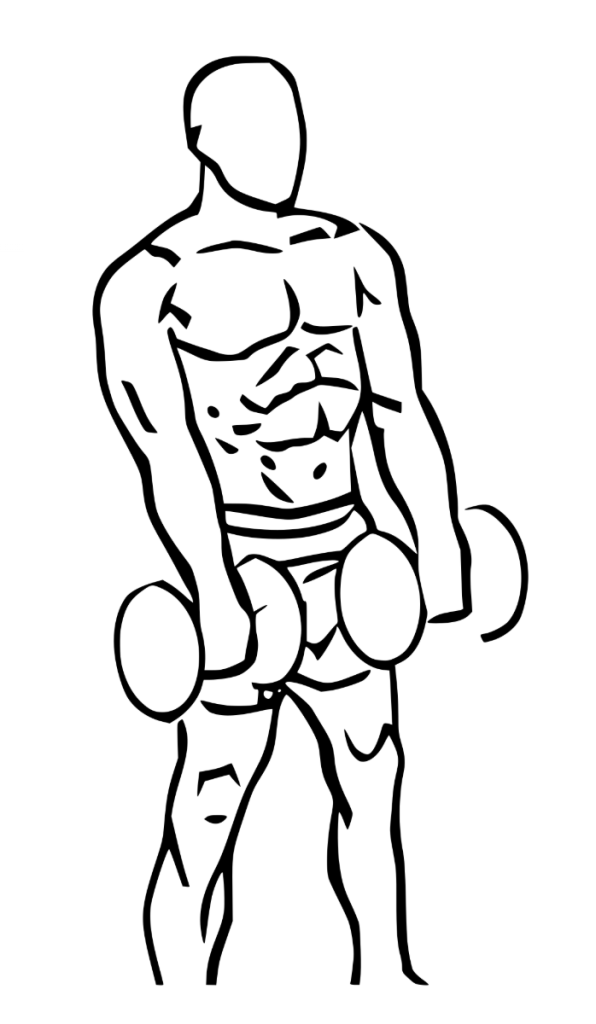
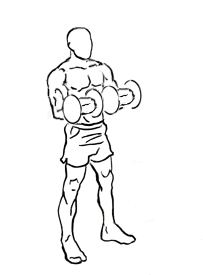
If you are short on time or just want to work all of the biceps complex muscles at once, try standing dumbbell curls or cable drag curls moving from pronation (i.s. palms down) to supination (i.e. palms up).
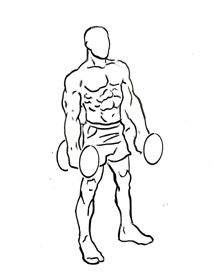
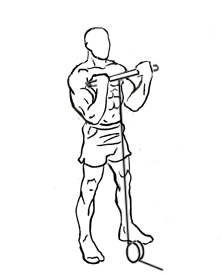
That’s just a brief summary of elbow flexion resisted range of motion (RROM). But now you have a template to apply to any exercise you may encounter in the gym. The principles of human anatomy, physiology, and kinesiology inform the protocols of resisted exercise routines (i.e. weightlifting).
What seems trivial is often the difference between gym attendees that look the part (i.e. “gymrats”) and those who don’t (i.e. gym “bros”, “brats”, “mice”, “bunnies”, etc.). More importantly, form can make the difference between injury (i.e. maladaptation) and health (i.e. adaptation).
As Forte and Teixeira (2023) explain: “Proper exercise biomechanics involves the correct form and technique in different joint and anatomical planes during physical activity, exercise and sports activities to ensure that the joints, muscles and bones are moving in a safe and efficient manner”.
To maximize workouts and prevent injury:
(1) Know what your body is (and is not) designed to do…
- Are your resisted exercise goals realistic?
(2) Determine your risk appetite…
- Are you willing to be injured to accomplish your goal(s)?
(3) Push yourself within the natural limits of that function/risk.
- Are you operating within your risk-tolerance zone (e.g. margin for error)?
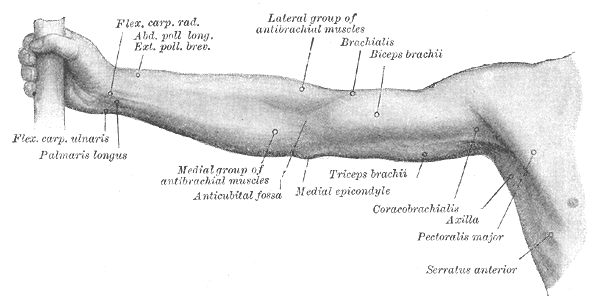
via Henry Vandyke Carter and Wikimedia Commons, Public Domain,
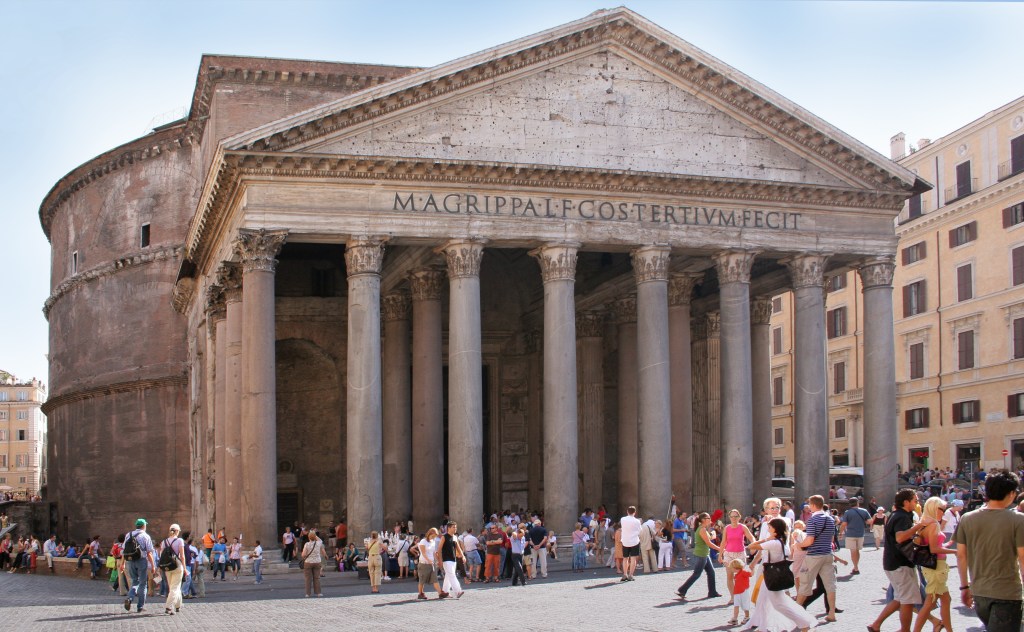
Those exercise principles also work for architecture. Does the design serve its purpose (i.e. conceptual and functional goals)? Is the building made for beauty or overbuilt for durability? Does the structure have built-in safeguards to prevent the harmful consequences of failure?
Let’s return to Louis Sullivan’s saying “form follows function”. Frank Lloyd Wright, once Sullivan’s protege, is said to have evolved a different view, “form and function are one”. Having received a lot of education in the sciences and viewed some of Wright’s failing roofs and cantilever designs (a topic for another time), I tend to agree with Sullivan. But maybe neither really needs to follow the other? Maybe form equals function?
Next: Slow & Steady – Part 2 – Time & Pressure: How loaded movement to fatigue builds your body and improves your health
Sources:
Definition of form. (n.d.). https://www.dictionary.com/browse/form
Form follows function | The Guggenheim Museums and Foundation. (n.d.). The Guggenheim Museums and Foundation. https://www.guggenheim.org/teaching-materials/the-architecture-of-the-solomon-r-guggenheim-museum/form-follows-function
Form follows function? — Smashing magazine. (2010, March 23). Smashing Magazine. https://www.smashingmagazine.com/2010/03/does-form-follow-function/
Forte, P., & Teixeira, J. E. (2023). Exercise Biomechanics for Health: Evaluating Lifelong Activities for Well-Being. Healthcare (Basel, Switzerland), 11(6), 900. https://doi.org/10.3390/healthcare11060900
Wagner, M. (2025, March 7). Form follows function: the enduring principle of great architecture — Werle + Wagner. Werle + Wagner. https://www.werlewagner.com/stories/form-follows-function-the-enduring-principle-of-great-architecture
Wallace B., Kernozek T. Self-Efficacy Theory Applied to Undergraduate Biomechanics Instruction. J. Hosp. Leis. Sport Tour. Educ. 2017;20:10–15. doi: 10.1016/j.jhlste.2016.11.001.
[DOI] [Google Scholar]


Leave a Reply